Reflections by Shlomo Elkan
Personal reflections on Jewish life, memory, teshuva, and the experiences that continue to shape how I see the world

Bound Together
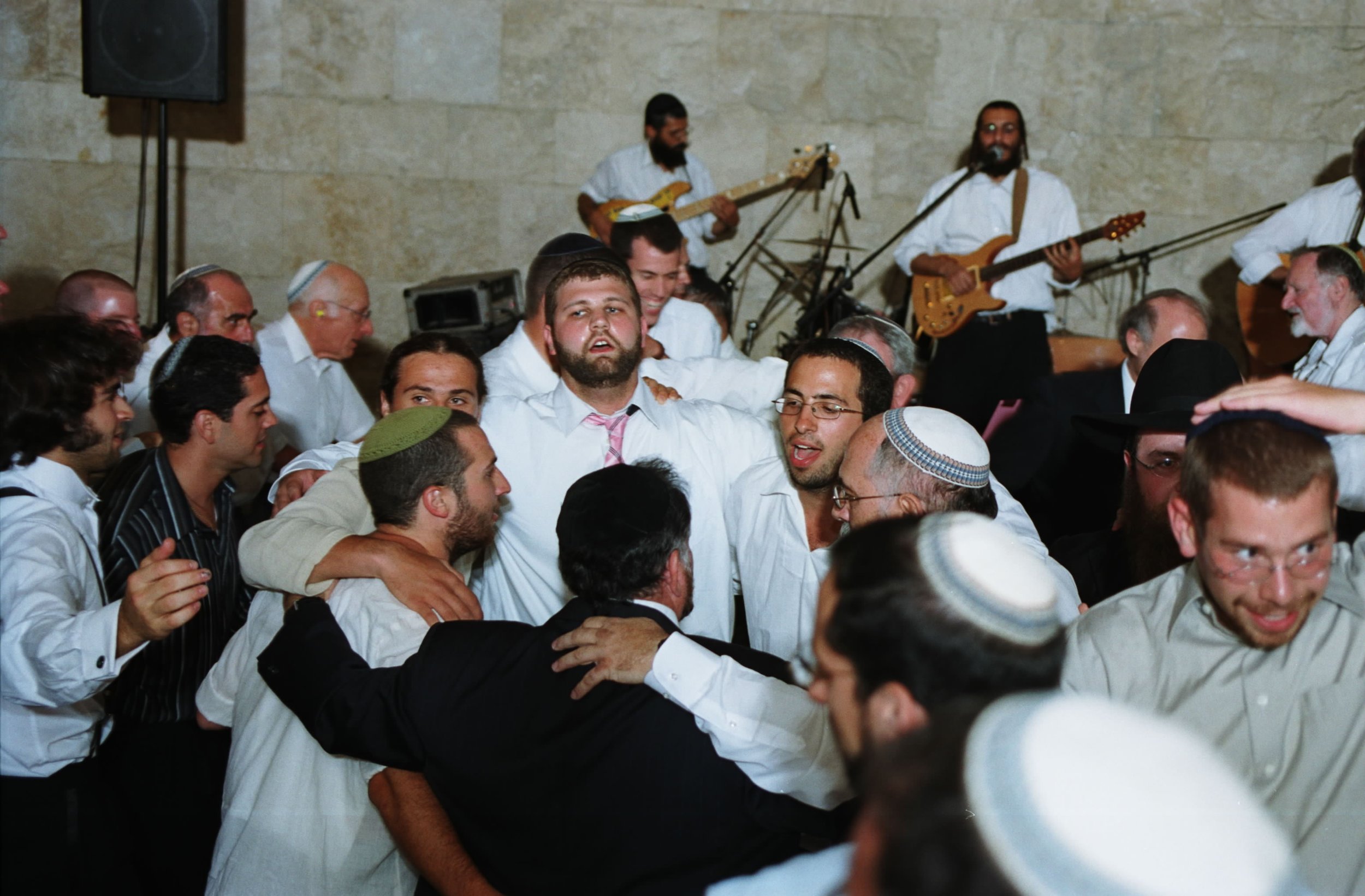
After many years on shlichus, I have come to recognize how deeply loneliness affected me, even while I was constantly surrounded by people. A Sukkos filled with unexpected hugs, singing, and friendship helped me understand the Arba Minim in a new way: even the person who brings people together needs to be gathered in.
Finding Space, Part II: At the Closing of the Gates
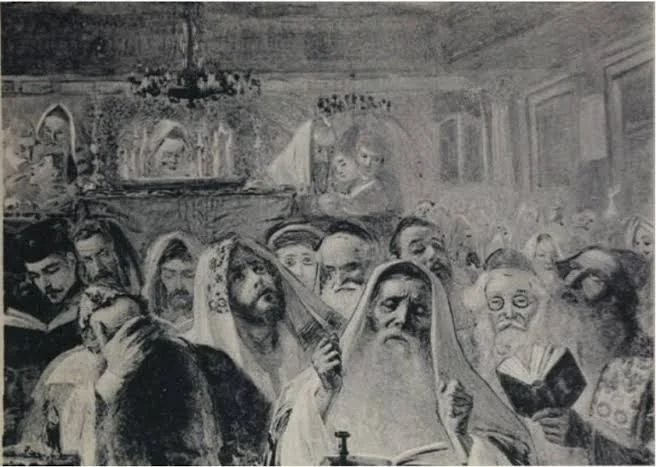
By Neilah, I had sweat through my kapote, kittel, and tallis. The shul was stifling, neighboring minyanim sang through open windows, and the building seemed to sway. Then I lifted my machzor and realized it was drenched not only with sweat, but with tears of regret, strength, and hope.
Finding Space, Part I: Entering Yom Kippur
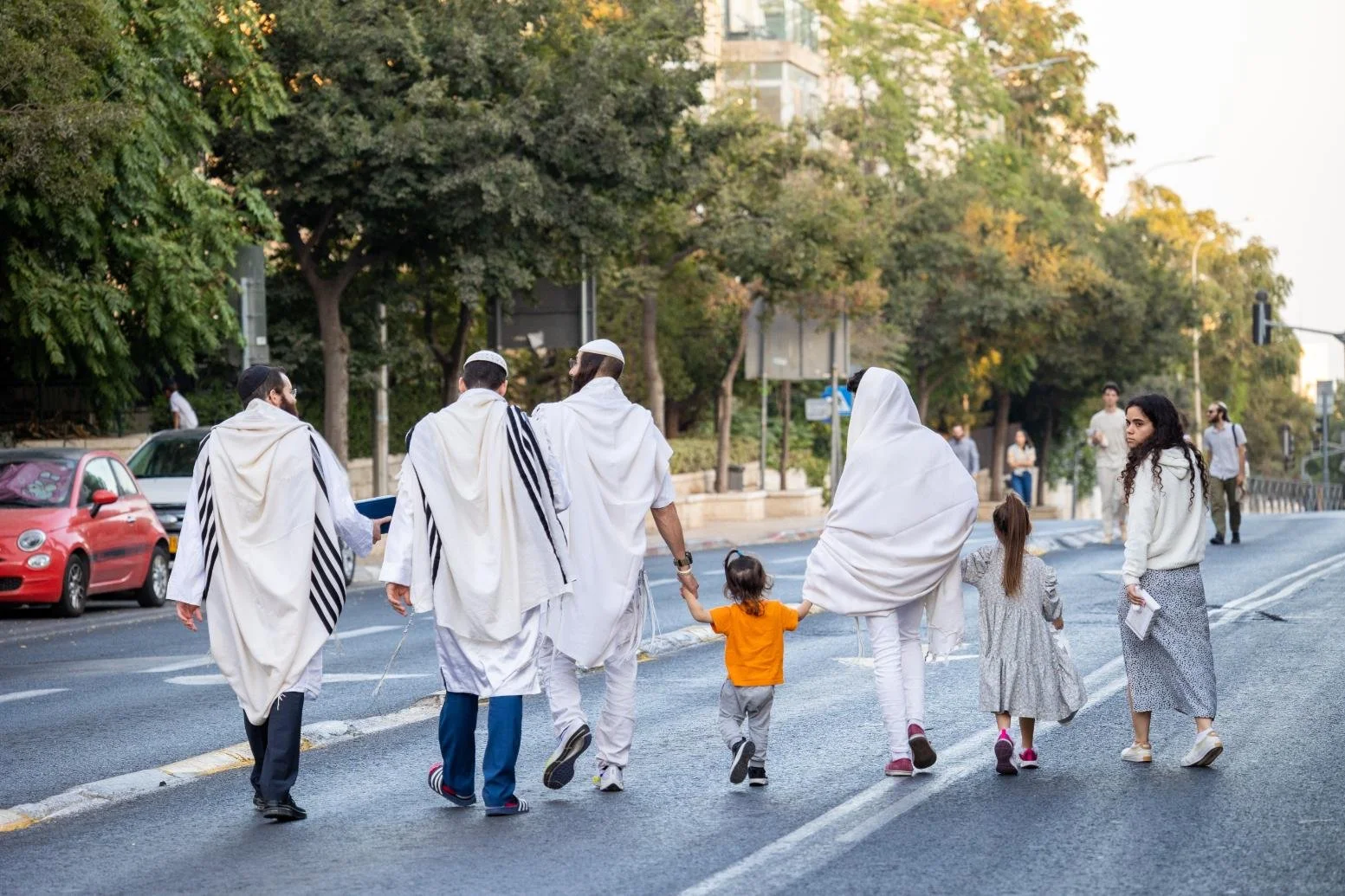
On Kol Nidrei night in Jerusalem, the streets filled with people dressed in white, and our synagogue had barely an inch of space to spare. Yet somewhere in that crowded room, surrounded by family, friends, and strangers, I found an unexpected kind of space: room to pray as part of something larger.
Heavy Reading
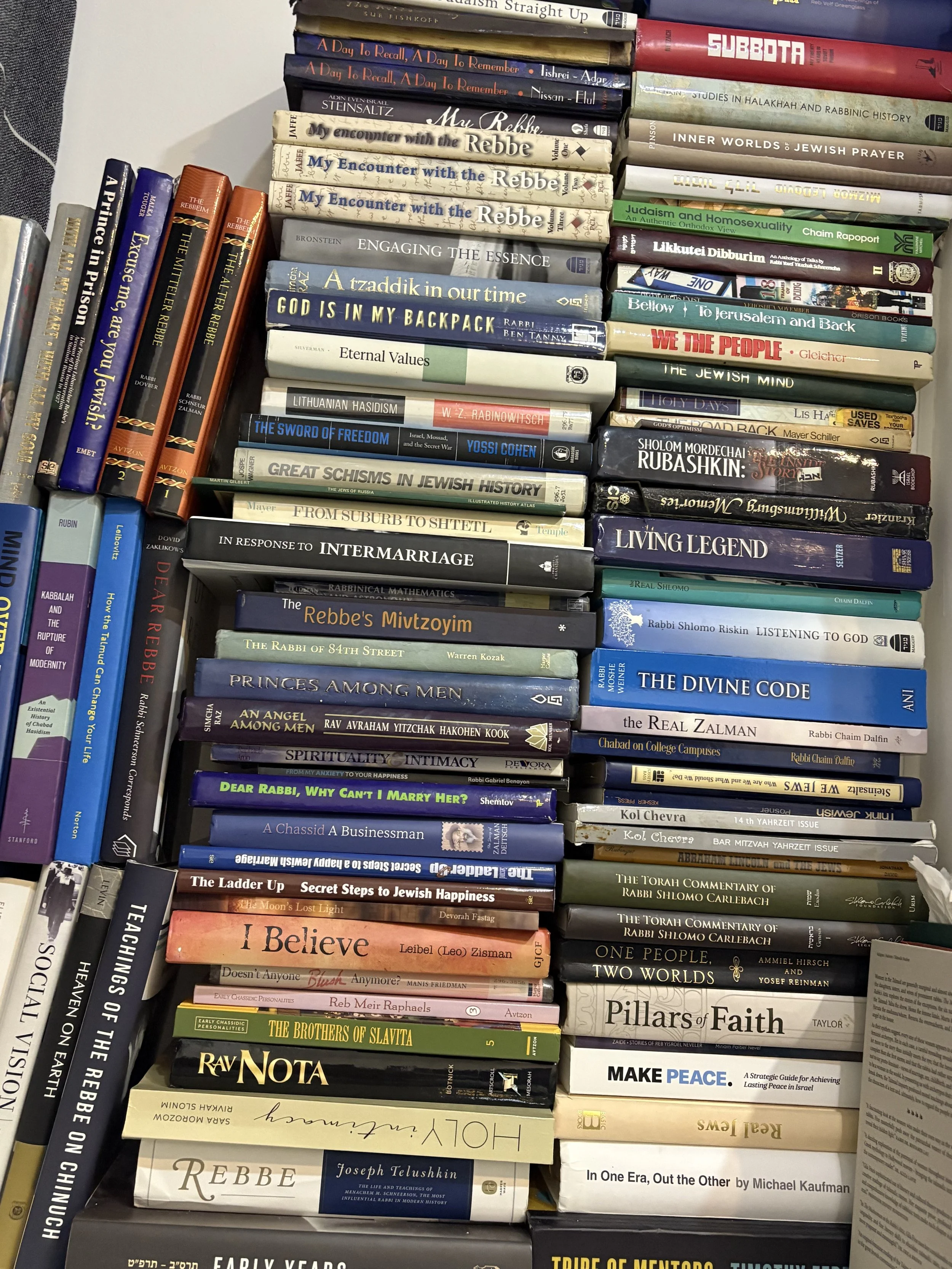
After making Aliyah, I discovered that unpacking my books meant sorting through far more than a library. Each volume carried memories of another place, another season, and the person I was when I first opened it.

Teshuvah Beyond the High Holidays
We sometimes imagine that the more terrible we feel, the more sincere our teshuvah must be. But feeling terrible is not the same as becoming better. Teshuvah asks us to face what we have done, make the necessary repairs, and still believe that change is possible.

This Year, I Stand Before God
For sixteen years, I could tell that Rosh Hashanah was approaching by the lists.
There were seats to arrange, machzorim to find, meals to prepare, honors to assign, sermons to write, and countless details that would be invisible if we handled them properly.

Two Steps Forward, One Step Back: What Prison Taught Me About Teshuvah
For many years, I visited people in prison.
Some were serving time for relatively minor offenses. Others had done some of the worst things imaginable. Their stories were different, but over time I began to notice a pattern in how many of them experienced their sentences.
The first stage was anger.
They were angry at themselves, at the system, at the people around them, and sometimes at the entire world.

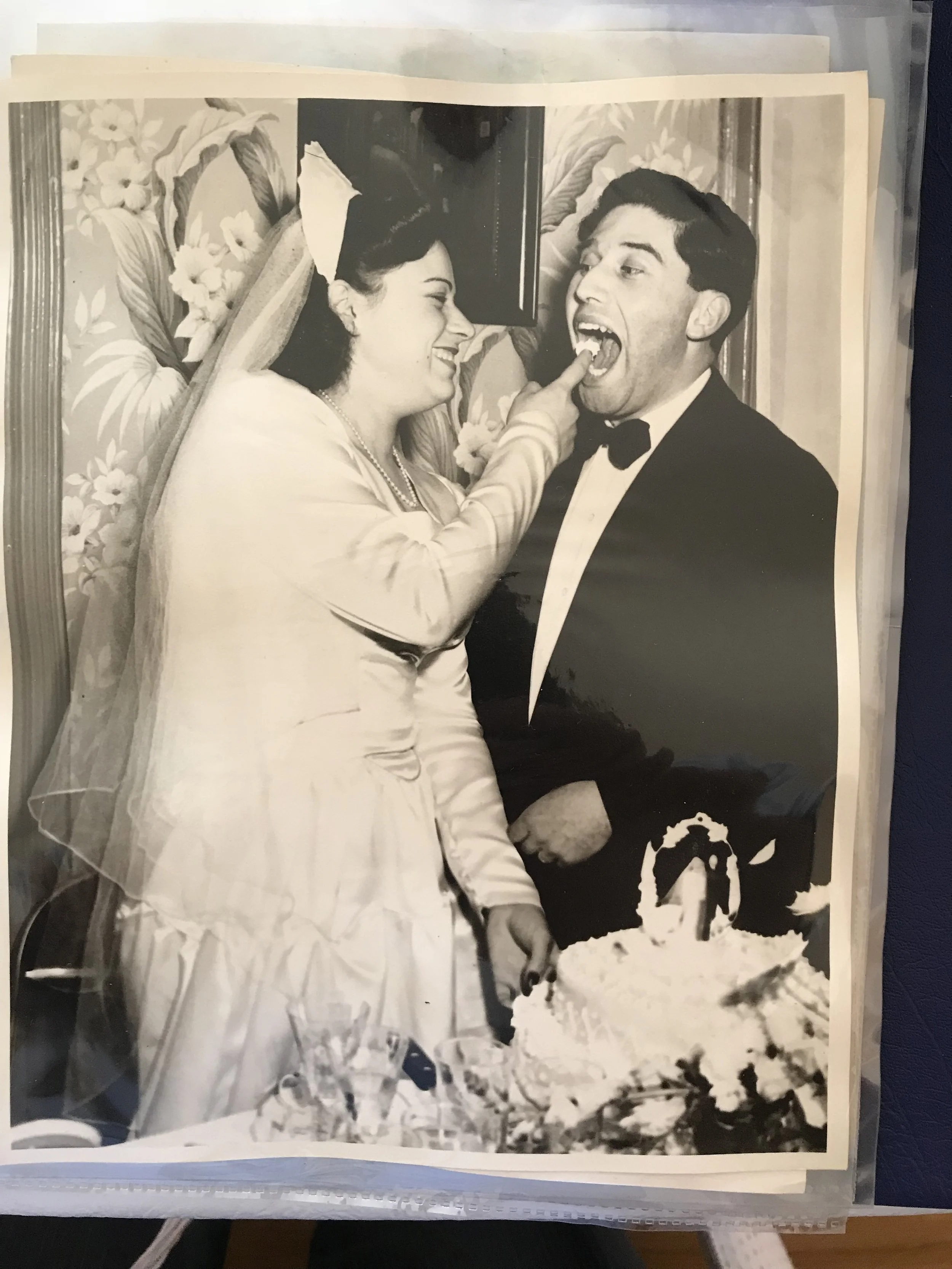
Hearing Omi’s Voice Again
Tonight is my Omi’s yahrzeit.
I have been spending time recently listening again to recordings of her testimony, hearing her describe her childhood and life in Germany in her own voice.