The Jerusalem Story They Don’t Tell You: Welcome Home
On Saturday night, after Shabbos, I found myself in the emergency room. Nothing serious, thank God, so please do not worry.
As a new immigrant, I had not yet received my Israeli health insurance card. When I explained the situation to the nurse, I mentioned that I had only recently moved to Israel.
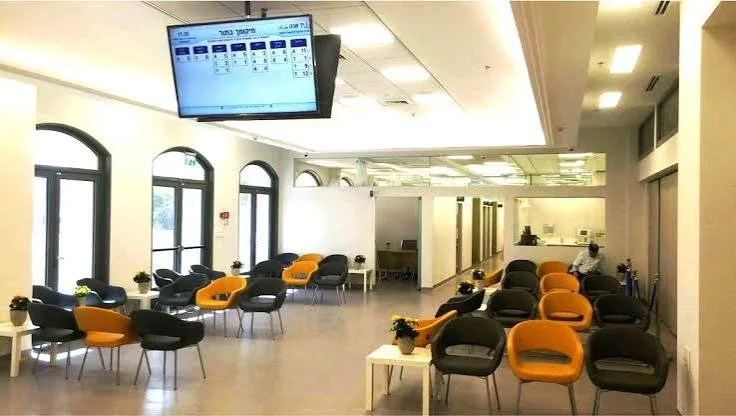
His name was Mohamed.
Mohamed is an Israeli Arab. He is also a Jerusalemite. From the moment we met, he was warm, patient, and remarkably kind.
Then he heard that I had just made aliyah.
His eyes lit up.
“Mazel tov!” he exclaimed. “Welcome home!”
For a moment, I did not know what to say.
An Arab nurse in Jerusalem was welcoming a religious Jew to Israel with genuine excitement.
It was a small exchange, but it stood in such sharp contrast to the story the world constantly tells about this place.
From afar, Israel is often presented as a collection of opposing camps. Jew against Arab. Israeli against Palestinian. Religious against secular. People whose identities supposedly leave no room for warmth, generosity, or shared belonging.
Yet the Jerusalem I am encountering is far more complicated.
That does not mean the conflict is imaginary. The pain is real. The fear is real. The disagreements are profound, and pretending otherwise would be dishonest.
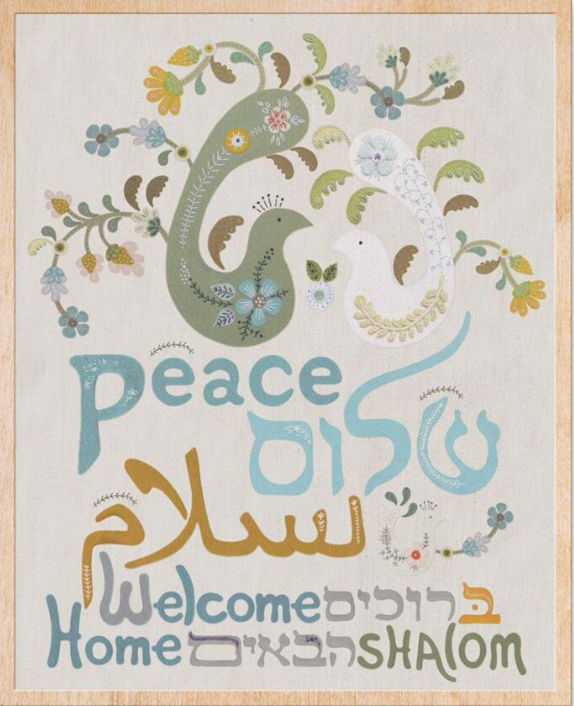
But the hostility is not the whole story either.
The mainstream narrative thrives on clean divisions and predictable villains. Real life refuses to cooperate. It places an Arab nurse beside a Jewish immigrant in a Jerusalem emergency room late on a Saturday night. Then it gives the nurse the words, “Welcome home.”
There was no camera in the room. No coexistence organization arranged the encounter. No one was making a political statement.
It was simply one human being caring for another.
Mohamed helped me medically that night. But he also gave me something I did not expect. He gave me a glimpse of a Jerusalem that rarely appears in headlines.
A Jerusalem that is tense and tender, divided and intertwined. A city where pain and possibility live on the same street, work in the same hospital, and sometimes look one another in the eye with genuine warmth.
Perhaps the most dangerous thing about a simple narrative is not that it is completely false. It is that it takes one part of the truth and convinces us that nothing else exists.
Mohamed reminded me otherwise.
Sometimes a few sincere words in an emergency room can disrupt an entire narrative.
“Mazel tov. Welcome home.”
And somehow, in that moment, I felt that I truly was.