This Year, I Stand Before God
For sixteen years, I could tell that Rosh Hashanah was approaching by the lists.
There were seats to arrange, machzorim to find, meals to prepare, honors to assign, sermons to write, and countless details that would be invisible if we handled them properly.
For sixteen years, I could tell that Rosh Hashanah was approaching by the lists.
There were seats to arrange, machzorim to find, meals to prepare, honors to assign, sermons to write, and countless details that would be invisible if we handled them properly. I thought about the students coming for the first time, the people who might arrive late, and the person standing near the door wondering whether there was a place for them.
I worried about whether everyone would feel welcome. I wanted the prayers to be accessible without being diluted, the sermon to say something worth hearing, and the room to feel serious without becoming intimidating.
By the time the first person arrived, I had already been awake for hours.
I would get up especially early and find a quiet place to daven before the main service began. It was the only way I could have a few uninterrupted moments with the machzor. Once the doors opened, my attention would belong to everyone else.
Those years were extraordinarily fulfilling.
There was something sacred about watching a room slowly fill with people who had come for entirely different reasons. Some arrived with a lifetime of familiarity. Others barely knew what day it was. Some came to pray, some came to hear the shofar, and some came because a friend had assured them that there would be a good lunch afterward.
They all mattered.
I loved watching a student walk into the room nervously and realize that someone knew their name. I loved seeing people who had not opened a machzor since childhood begin to recognize a melody. I loved the conversations that happened over meals, when someone who had been reluctant to attend admitted that something in the service had reached them.
There were years when hundreds of people passed through our doors over the course of the holidays. Every chair filled, every hand shaken, and every person welcomed felt meaningful. It was exhausting, but it was the kind of exhaustion that came from having spent yourself on something you believed in.
I would not trade those years for anything.
For me, organizing Rosh Hashanah was not a distraction from the holiday. It was one of the ways I experienced it most deeply. Helping create a place where another person could pray, question, remember, or simply feel that they belonged was itself a form of prayer.
I developed an intimate relationship with Rosh Hashanah through those responsibilities. I knew its rhythms, its melodies, and the particular silence that sometimes settles over a room just before the shofar is sounded. I knew which words needed explanation and which moments were better left alone. I knew that sometimes the most important part of the day happened far from the prayer book, in a quiet conversation with someone who had almost decided not to come.
At the same time, my experience of the holiday was always shaped by the people around me.
Even when I was praying, part of me was listening for the door. I was watching the clock, thinking about what came next, or wondering whether the person in the back could follow the service. I was not removed from Rosh Hashanah. I was experiencing it through responsibility.
For so many years, I stood before others on Rosh Hashanah. I stood before students, congregants, visitors, and people looking to me for words, direction, or comfort.
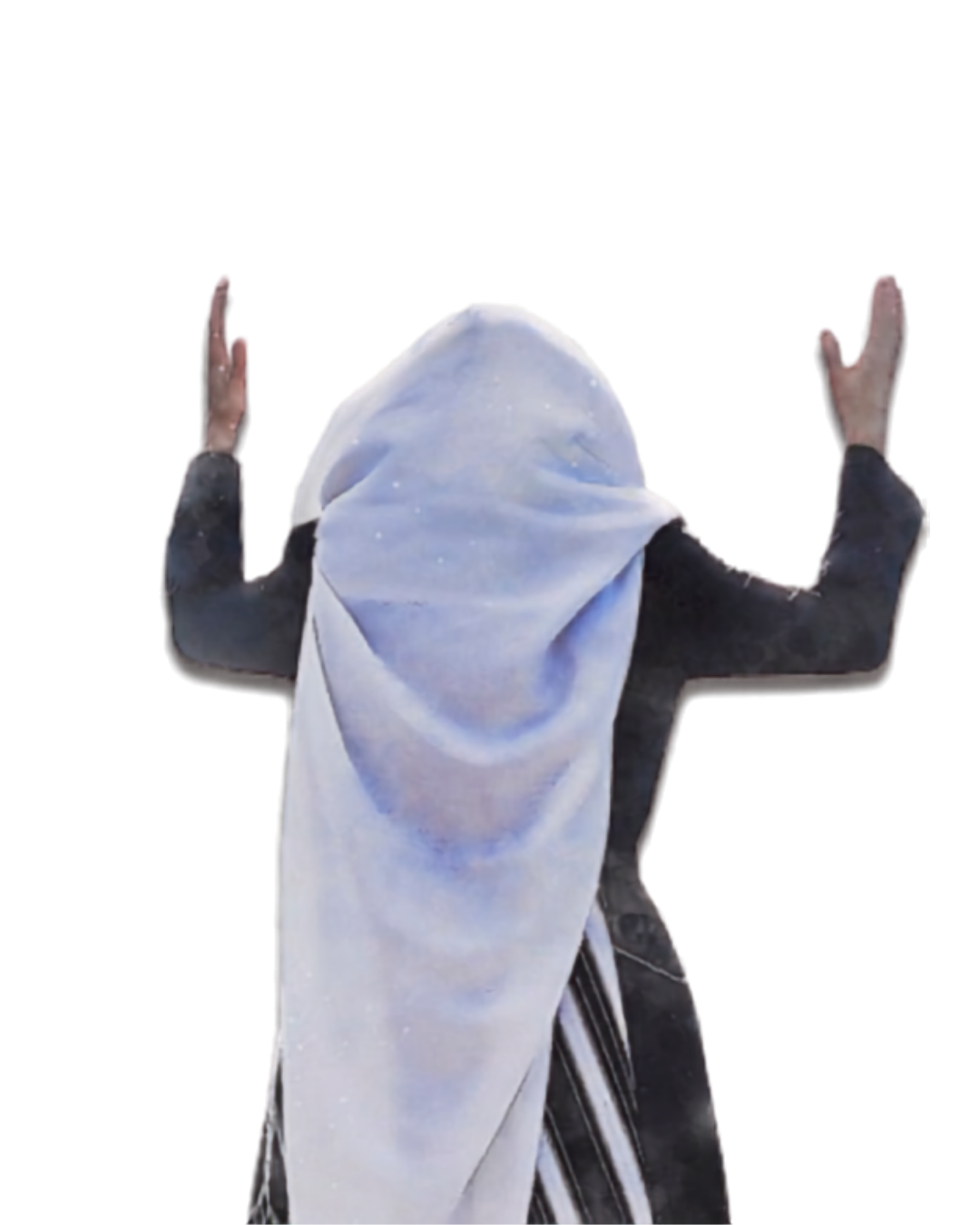
This year, I stand only before God.
There is no service for me to run. There is no sermon I am expected to deliver. I do not need to check the seating chart, watch the door, or make sure that someone has found the correct page. I will enter someone else’s synagogue here in Jerusalem and take my place among the other people who have come to pray.
The thought is both comforting and unsettling.
There is a loss in it. I miss the energy of preparing for a community. I miss the familiar faces and the knowledge that people were counting on me. I miss the privilege of helping create something that became part of the rhythm of so many lives.
But this year is different.
It is not better or more authentic than the Rosh Hashanahs that came before it. Those years had their own holiness. They were filled with service, responsibility, joy, and a profound sense of purpose.
This year asks something else of me.
For the first time in a very long time, I will not be able to measure the day by whether the service ran smoothly or whether everyone else found it meaningful. I will not have the refuge of being needed.
This year, the questions are directed at me.
Who have I been? Where have I failed? Whom have I disappointed or hurt? What can still be repaired? What must I accept that I cannot repair? What have I learned, and who am I prepared to become when the holiday is over?
There is an obvious danger in turning inward too completely. A religious life cannot be built around endless self-examination. A person can become so absorbed in analyzing himself that he forgets his obligations to everyone else.
But honest introspection is not selfishness.
There are questions that cannot be answered on behalf of a community. There is work that cannot be delegated to a sermon, a title, or a public role. There are moments when a person must stop looking around the room and allow the words of the machzor to address him directly.
I have spent much of my life knowing what to say. I have taught classes, delivered sermons, counseled others, and searched for words when people could not find their own.
This year, I am trying to stand before God without an explanation.
I have explanations, of course. We all do. Some of them may even be true. We can explain our fears, our weaknesses, our exhaustion, and the circumstances that brought us to a particular moment. An explanation can help us understand how we arrived somewhere. It does not necessarily excuse what we did once we got there.
Rosh Hashanah does not ask me to prepare an argument for the defense. God already knows the complete story, including the parts I tell well and the parts I would prefer not to tell at all.
There are things I wish I could undo. There are consequences that sincere regret cannot erase. There are relationships that may never return to what they were, and forgiveness that I cannot demand from anyone.
Teshuvah does not give us control over those things.
What it offers is the possibility that the past does not have to dictate every decision that follows it. It asks whether regret will remain a feeling or become a discipline. It asks whether we are willing to look honestly at ourselves and then live differently, quietly and consistently, when no one is watching.
Perhaps that is why the central sound of Rosh Hashanah is not a speech.
The shofar has no carefully constructed argument. It does not explain itself. It is a raw sound, almost before language, carrying something that words cannot make more presentable.
For someone accustomed to standing before people and speaking, perhaps the most honest thing I can do this year is listen.
I do not yet know what it will feel like when the shofar sounds. I imagine that some part of me will instinctively look around the room. I will wonder whether everyone can hear, whether the children are settled, and whether the people who came reluctantly have found some meaning in the moment.
Then I will try to become still.
There will be no speech for me to give and no one whose experience I need to manage. There will be only the sound of the shofar and the person I have become standing before the One who already knows him completely.
For sixteen years, I experienced Rosh Hashanah through the privilege of helping others stand before God. Those were among the most meaningful and fulfilling years of my life.
This year, my place is different.
This year, I must learn how to stand there myself.